
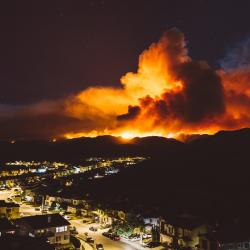
UMD researchers analyzed changes in the mortality burden attributed to wildfire pollution over the last two decades.

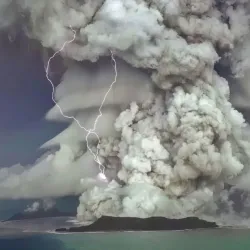
Published last month in the Proceedings of the National Academy of Sciences, the research shows that the 12-hour undersea eruption led to unprecedented losses of up to 7% of the ozone layer over large areas of the Southern Hemisphere.
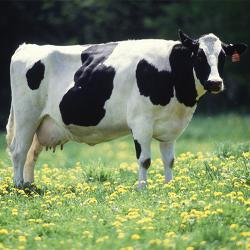
Atmospheric methane—a potent greenhouse gas—has surged since 2007. Figuring out where it’s coming from could help mitigate climate change.

Atmospheric and oceanic science Ph.D. student Samantha Halstead Santez left a six-year museum career to study sea ice. Now, she’s at NASA.
184 students graduated from the college in August 2023.

AOSC's Outstanding graduating senior, Maria Nikolaitchik, and her faculty mentor, Tim Canty are among those honored as 2023-24 Philip Merrill Presidential Scholars
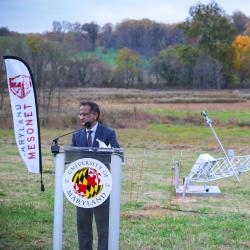
The University of Maryland and Maryland Department of Emergency Management partner to advance weather prediction and public safety.

The National Science Foundation awarded Department of Atmospheric and Oceanic Science, Dr. R. Dwi Susanto a $0.75 million grant to monitor Indonesian throughflow (ITF), the only pathways of the Pacific to Indian Ocean exchange through the Indonesian seas, which is essential for understanding the role of the ocean in Earth’s climate system.

AOSC Professor Ross Salawitch questions some findings in a recently published study in a Washington Post interview.

Liang was selected for innovative, pioneering leadership in developing regional modeling capabilities for understanding climate change impacts on a variety of sectors.